Dig This: A Guide to Growing Carrots

by Root Vegetables, Sowing, Growing Guide

Sowing & Planting

Care, Pests, Diseases

Troubleshooting

A bold, vintage-style typographic design with a distressed texture. The text reads: ALLOTMENT JUNKIE CLUB, ONLY THE HARDY SHOULD APPLY The word "CLUB" is the largest and most prominent, with a rough, textured effect. The rest of the text is arranged around it, with "ALLOTMENT JUNKIE" in an arc at the top and "ONLY THE HARDY SHOULD APPLY" in smaller text below. The design gives off a rugged, outdoorsy, and exclusive feel, likely appealing to gardening enthusiasts, particularly those who maintain allotments (community garden plots) and enjoy the challenges of growing their own produce. Image copyright Allotment Junkie

🥕Carrots

Carrots are a favourite vegetable for gardeners due to their sweet, crisp texture and versatility in the kitchen. Whether you’re an experienced gardener or a beginner looking to grow your first crop, this guide will take you through everything you need to know about growing carrots successfully.

Understanding Carrots

Carrots (Daucus carota) are a root vegetable that belong to the Apiaceae family. They come in various colours, including orange, purple, yellow, red, and white. The traditional orange variety is rich in beta-carotene, which converts into vitamin A in the body, making it a nutritious addition to your diet.

Choosing the Right Variety

Carrots come in different shapes and sizes, so selecting the right variety is essential. Some popular types include:

* Nantes – Sweet, cylindrical, and smooth-skinned, perfect for fresh eating.

* Imperator – Long and slender, commonly found in grocery stores.

* Danvers – Thick and tapered, great for heavy soils.

* Chantenay – Short and stout, ideal for shallow or rocky soil.

* Mini and Round Varieties – Perfect for containers and small garden spaces.

Selecting the Best Location

Carrots require full sun (at least 6 hours of sunlight daily) and well-drained, loose soil to grow properly. They thrive in raised beds or deep garden soil free of rocks, which can cause misshapen roots.

Preparing the Soil

Since carrots develop underground, soil preparation is crucial for their success. Follow these steps:

1. Loosen the Soil – Dig at least 12 inches deep and break up any clumps.

2. Remove Rocks and Debris – Prevents root deformities.

3. Add Organic Matter – Compost or aged manure improves soil structure and fertility.

4. Avoid High Nitrogen Fertilisers – Too much nitrogen encourages leafy growth instead of root development.

5. Ensure Proper pH – Carrots prefer slightly acidic to neutral soil (pH 6.0–6.8).

A garden bed filled with dark, prepared soil is shown. A wooden board with drilled holes and measurements marked in inches is placed across the bed, showing spacing guides. A string runs along the left side, likely used to ensure rows are straight, in preparation for sowing Carrots on Allotment Junkies allotment plot.

Carrot bed prepared with plenty of sand. Drilled and ready for sowing. Image courtesy of Allotment Junkie ©

Raised garden beds on an allotment, with one bed filled with compost and yellow beer traps inserted for slug defence. Gravel paths separate the beds, and other plants and raised bed are visible.

Beers traps set in the Carrot bed hopefully to stop the slugs from eating the crop. Image courtesy of Allotment Junkie ©

Planting Carrots

Carrots are best grown from seed as they don’t transplant well. Follow these steps for successful planting:

When to Plant

* Spring Planting: Sow seeds 2-4 weeks before the last frost date.

* Autumn Planting: Sow seeds in late summer for a autumn harvest.

* Succession Planting: Sow every 2-3 weeks for a continuous harvest.

How to Plant

1. Sow Seeds – Plant seeds ¼ inch deep in rows spaced 12 inches apart.

2. Thin Seedlings – Once they sprout, thin them to 2 inches apart to prevent overcrowding.

3. Water Gently – Keep the soil moist until germination, which can take 10-21 days.

A yellow slug trap container with the cap open, revealing a small amount of foamy beer liquid inside. The container is placed on dark, textured soil. The cap has a hinge and a clasp for closing. The soil surface is uneven and appears moist.

Beers trap set in the Carrot bed –  filled with Bitter or Larger. Image courtesy of Allotment Junkie ©

Caring for Carrots

Watering

* Keep soil evenly moist to prevent cracking or woody roots.

* Deep watering encourages longer roots.

Weeding

* Carrots have delicate roots; hand-pull weeds to avoid disturbing them.

* Mulch helps suppress weeds and retain moisture.

Fertilising

* Use a low-nitrogen fertiliser (e.g., 5-10-10) once seedlings are established.

* Avoid over-fertilising, as it can lead to excessive foliage growth.

An allotment garden with raised beds under a partly cloudy sky. The beds are filled with compost, some with small vegetables. A white hoop cloche tunnel covers one bed growing Carrots, and a blooming pink blossom tree stands in the background near a rustic shed.

Remember: Cover the Carrots with a fine mesh cloche. Image courtesy of Allotment Junkie ©

Harvesting Carrots

Carrots are ready to harvest when they reach the desired size, typically 60–80 days after planting.

How to Harvest

* Loosen soil around the roots before pulling to avoid breaking them.

* Use a garden fork in heavy soil to gently lift the carrots.

Storage Tips

* Store carrots in a cool, humid place (like a root cellar).

* Remove tops before storage to prevent moisture loss.

* Carrots can be stored in sand or kept in the refrigerator for several months.

Growing Carrots in Containers

If you have limited space, carrots can be grown in pots or containers. Choose deep containers (at least 12 inches) and use loose, sandy soil for best results. Water regularly and ensure proper drainage.

Companion Planting

Carrots grow well with:

* Tomatoes – Help deter carrot flies.

* Onions and Garlic – Repel pests.

* Radishes – Mature quickly and loosen the soil.

Avoid planting near dill and parsnips, as they can attract similar pests.

Troubleshooting Common Issues

Poor Germination

* Keep soil consistently moist.

* Sow seeds more densely and thin later.

Forked or Misshapen Carrots

* Soil may contain rocks or be too compact.

* Avoid excessive nitrogen fertilisation.

Bitter or Woody Texture

* Harvest on time; older carrots become tough.

* Ensure consistent watering to prevent stress.

A cluster of small, translucent slug eggs is nestled on dark, crumbly soil. The eggs are round and slightly gelatinous, contrasting with the rich texture of the earth. Bits of soil cling to the surface of the eggs, highlighting their delicate nature against the rugged background.

Slug eggs. Image courtesy of Allotment Junkie ©

Two freshly harvested, slightly dirty carrots of different sizes lie on a wooden surface. They have green tops and are partially covered in soil, indicating recent pulling from the ground. Sunlight casts shadows and highlights the orange skin and texture of the carrots. The carrots also show holes indicating they have been ravaged by pests and diseases typical with growing carrots in the UK.

Slug damage. Image courtesy of Allotment Junkie ©

Lush green carrot tops with finely divided leaves are visible, nestled under protective white cloche netting on an allotment. The background shows a vague hint of more greenery, likely other plants, under a turquoise shade cover. The scene suggests a nurturing environment for vegetable growth.

Healthy Carrot crop safely protected by the Carrot cloche. Image courtesy of Allotment Junkie ©

Conclusion

Growing carrots is a rewarding experience that yields delicious, nutritious roots for your kitchen. With the right preparation, care, and attention to detail, you can enjoy a bountiful harvest of homegrown carrots. Whether you’re growing them in garden beds or containers, following these steps will set you up for success!

A smiling child with shoulder-length hair, wearing a blue Spider-Man shirt and denim shorts, holds up a freshly picked carrot in an allotment garden. Beside the child, a woman is sitting on the edge of a raised bed, smiling. The garden has covered rows of plants and visible raised beds filled with soil.

Little Lotties. Image courtesy of Allotment Junkie ©

Freshly harvested carrots with long green stems and dirt still on them rest on a wooden surface. The carrots are slightly curved and vary in size, showcasing their organic nature. Bright sunlight highlights their vibrant colour and texture. Carrots grown and picked by Allotment Junkie.

Fresh pickings – harvested Carrots. Image courtesy of Allotment Junkie ©

 Do you have TIPs to share?

0 Comments

Submit a Comment

Your email address will not be published. Required fields are marked *

Share this post…

Allotment Junkie logo with the words “Produced by" in white, positioned at the top in a smaller font size. "allotment JUNKIE" in large, bold, white, textured letters resembling chalk or hand-drawn style. The word "allotment" includes two garden tools (a fork and a trowel) integrated into the letters. "Join the revolution" in green, appearing at the bottom in a bold, slightly distressed font. The entire design has a rustic, organic, and hand-crafted aesthetic, representing a brand and movement related to gardening or sustainability. There is a registered trademark symbol next to "JUNKIE," indicating brand protection.
Dig This: A Guide to Growing Cabbages

Dig This: A Guide to Growing Cabbages

🥬 Cabbages Cabbage is one of the most rewarding vegetables to grow in the UK. With its crisp texture, rich nutritional value, and versatility in the kitchen, it's no wonder cabbage has remained a staple in British gardens for centuries. Whether you’re a seasoned...

Dig This: A Guide to Growing Courgettes

Dig This: A Guide to Growing Courgettes

🥒 Courgettes Courgettes, also known as zucchini in other parts of the world, are one of the most rewarding vegetables to grow in the UK garden. They’re fast-growing, highly productive, and surprisingly low-maintenance—perfect for beginners and seasoned gardeners...

Dig This: A Guide to Growing Beetroots

Dig This: A Guide to Growing Beetroots

Beetroot Beetroots, also known simply as beets, are a versatile and nutritious root vegetable that thrive in the UK’s temperate climate. Whether you’re a seasoned gardener or a curious beginner, growing your own beetroots can be a rewarding and surprisingly easy...

Dig This: A Guide to Growing Asparagus

Dig This: A Guide to Growing Asparagus

Asparagus Asparagus is a delicacy in British kitchens — a versatile, flavourful vegetable that signals the start of spring. It’s also a rewarding crop for gardeners with a bit of patience. Once established, an asparagus bed can provide delicious spears for up to 20...

Dig This: A Guide to Growing Onions

Dig This: A Guide to Growing Onions

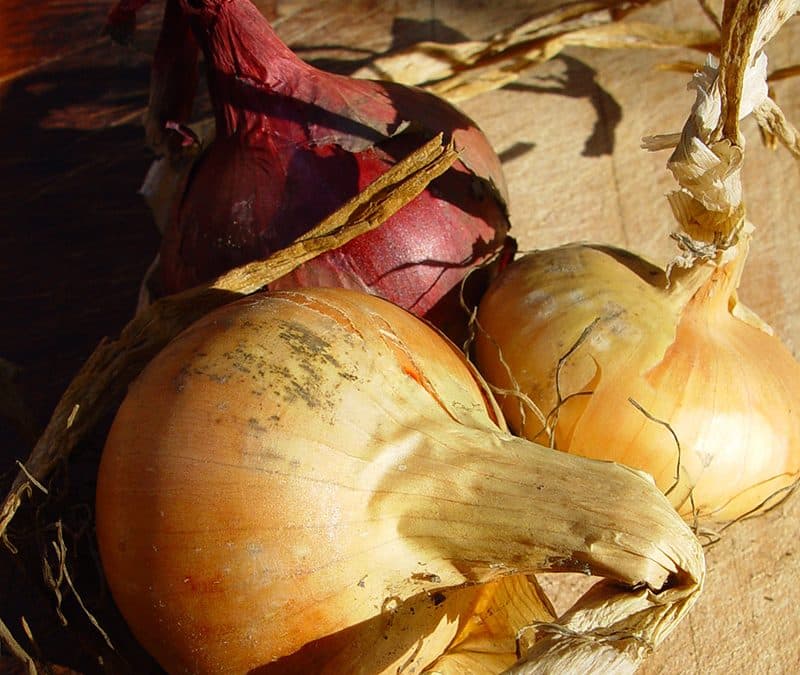
🧅 Onions Onions are one of the most versatile and widely used vegetables in UK kitchens. Whether it’s a rich stew, a vibrant salad, or a homemade curry, onions form the foundation of countless dishes. But did you know they’re also one of the easiest and most rewarding...

Advertisement 

A promotional banner for the book “Lost the Plot” by Allotment Junkie, a guide to 'growing your own fruit and vegetables'. The cover is featuring gardening tools and seeds. The book price is listed as £14.99 + P&P. PayPal and website ordering are available. The design uses earthy tones and rustic textures. Only available from the Allotment Junkie website online store.

Reviews

AJ's Book

About Us

MERCH

Support

Support

If you need help and support please reach out for it, here are some options:
Samaritans logo

Samaritans (UK)

Email: jo@samaritans.org

Phone: 116 123
(24 hours a day, 365 days a year)

www.samaritans.org

Trussell Trust Logo

Trussell Trust

Get emergency food
www.trussell.org.uk/emergency-food

Help and advice
www.trussell.org.uk/help-and-advice

Mind Logo

Mind

If you or someone you know is in crisis, you can get help now.

Call our support line on 0300 102 1234

Call our Infoline on 0300 123 3393

Logo for "Allotment Junkie." The text is styled in a bold, black font, and beneath it, the phrase "Join the revolution" is written in green with a textured, stencil-like appearance. The design suggests a rustic, grassroots, or eco-friendly theme, related to gardening, allotments, sustainability, and self-sufficiency. Image copyright Allotment Junkie
Privacy Overview

This website uses cookies so that we can provide you with the best user experience possible. Cookie information is stored in your browser and performs functions such as recognising you when you return to our website and helping our team to understand which sections of the website you find most interesting and useful.