


Swiss Chard
Swiss chard is a stunning, nutritious, and versatile leafy green that’s ideal for UK gardens. With its brightly coloured stems and lush leaves, this hardy vegetable is as beautiful as it is practical. Whether you’re growing it for fresh summer salads or hearty winter stews, Swiss chard deserves a spot in your garden year-round.
In this complete guide, we’ll walk you through everything you need to know about growing Swiss chard in the UK—from choosing the right variety and preparing the soil, to sowing, harvesting, and troubleshooting common issues. Let’s dig in!
Why Grow Swiss Chard?
Swiss chard (Beta vulgaris subsp. cicla) is a close relative of beetroot but is grown for its leaves and stems rather than its roots. It’s a cool-season crop that thrives in the UK climate and is prized for its:
* High nutritional value (rich in vitamins A, C, and K, as well as magnesium and iron)
* Extended growing season (can be harvested from late spring to early winter, and even through mild winters)
* Cut-and-come-again growth habit, meaning it keeps producing after each harvest
* Ornamental appeal, especially varieties like ‘Bright Lights’ with rainbow-coloured stems
Choosing a Variety
There are several varieties of Swiss chard to choose from, each with its own unique flavour, texture, and appearance. Here are some popular types for UK growers:
* Bright Lights: A rainbow of colourful stems in yellow, pink, orange, red, and white. Mild flavour and very decorative.
* Fordhook Giant: Traditional white-stemmed chard with large, crinkled green leaves. Very productive and cold-hardy.
* Lucullus: Pale green stems and leaves, with a tender texture and sweet flavour.
* Rhubarb Chard: Deep red stems and veins with dark green leaves. Slightly earthier taste.
For small gardens or container growing, choose compact varieties like ‘Bright Lights’ or ‘Lucullus’.
When to Sow Swiss Chard in the UK
Swiss chard can be sown from March to August, depending on your desired harvest time. It’s best to sow in succession every few weeks to ensure a continuous supply throughout the growing season.
* Indoor sowing: Start seeds in modules or trays in March or April to give them a head start.
* Outdoor sowing: Direct sow into the soil from mid-April once the ground has warmed up.
* Overwintering: Late summer sowings (July–August) can produce leaves well into winter, especially in mild or sheltered locations.
Preparing the Soil
Swiss chard grows best in moist, fertile, and well-drained soil with plenty of organic matter. It prefers a neutral to slightly alkaline pH.
Here’s how to prepare your soil:
1. Choose a sunny or part-shaded spot—Swiss chard tolerates partial shade, especially in hot summers.
2. Clear weeds and debris.
3. Incorporate compost or well-rotted manure into the top 15–20cm of soil.
4. Rake the surface to create a fine, crumbly seedbed.
If you’re growing in containers, use a deep pot (at least 30cm deep) with a mix of multipurpose compost and garden soil, plus added drainage.

Swiss Chard – Bright Lights. Image courtesy of Allotment Junkie ©
How to Sow and Plant
Direct Sowing Outdoors
1. Sow seeds 2–3cm deep in rows spaced 30–40cm apart.
2. Space seeds every 5–10cm within the row.
3. Water well after sowing.
4. Once seedlings emerge (7–14 days), thin them to 20–30cm apart to give them space to grow.
Starting Indoors
1. Sow seeds in modules or small pots using seed compost.
2. Place them in a bright, warm location (15–20°C).
3. Harden off young plants before transplanting outdoors.
4. Transplant to final spacing of 30cm between plants, with 40cm between rows.
Caring for Swiss Chard
Swiss chard is relatively low-maintenance, but a little care will boost your yield and prolong the harvest.
Watering
Keep the soil consistently moist, especially during dry spells.
Avoid waterlogging—chard doesn’t like soggy roots.
Mulch around plants with straw or compost to retain moisture and suppress weeds.
Feeding
Swiss chard benefits from a monthly feed with a balanced liquid fertiliser (such as seaweed or comfrey tea).
If leaves start to look pale or growth slows, apply a high-nitrogen fertiliser to promote leafy growth.
Weeding
Regular weeding is essential to reduce competition for nutrients and water.
Hand-weed around plants carefully to avoid damaging roots.

Swiss Chard – Bright Lights. Image courtesy of Allotment Junkie ©
Common Pests and Diseases
Swiss chard is generally pest-resistant, but you may encounter:
* Slugs and snails: Especially on young seedlings—use organic slug pellets, traps, or barriers.
* Leaf miners: Larvae burrow between leaf layers—remove and destroy affected leaves.
* Aphids: Spray with soapy water or introduce natural predators like ladybirds.
Harvesting Swiss Chard
Swiss chard is ready to harvest from 10–12 weeks after sowing, and you can pick it continuously throughout the season.
How to Harvest
* Use a sharp knife or scissors to cut the outer leaves about 2–3cm above the base.
* Always leave the central growing point intact so the plant keeps producing.
* For baby leaves, harvest earlier and more frequently for tender salads.
Harvest Timing
* Pick in the morning when leaves are crisp and full of moisture.
* Avoid harvesting in very hot or dry conditions as leaves may wilt.
Storing and Using Swiss Chard
Swiss chard is best used fresh but can be stored and preserved in a few ways:
Storing Fresh
* Wrap unwashed leaves in damp kitchen paper and store in the fridge for up to 5 days.
* For longer storage, blanch and freeze chopped leaves and stems.
Culinary Uses
Swiss chard is incredibly versatile:
* Raw: Young leaves are great in salads.
* Sautéed or steamed: Use like spinach in pasta, quiches, and stir-fries.
* Soups and stews: Adds colour, texture, and nutrients.
* Stems: Don’t discard them—they can be roasted, pickled, or added to casseroles.
Overwintering Swiss Chard
With some protection, Swiss chard can survive the UK winter—especially in southern areas.
* In late autumn, mulch heavily around the base of plants.
* Cover with a cloche or fleece to protect from frost and wind.
* Continue harvesting throughout winter, especially during mild spells.
* In spring, plants may bolt (flower). When this happens, pull them up and replace with new seedlings.
Growing Swiss Chard in Containers
Short on space? Swiss chard is ideal for containers:
* Use pots at least 30cm deep and wide.
* Ensure good drainage holes and use high-quality compost.
* Water and feed regularly, as container plants dry out faster.
* Choose colourful varieties like ‘Bright Lights’ for a decorative edible display on patios or balconies.
Companion Planting for Swiss Chard
Swiss chard grows well with:
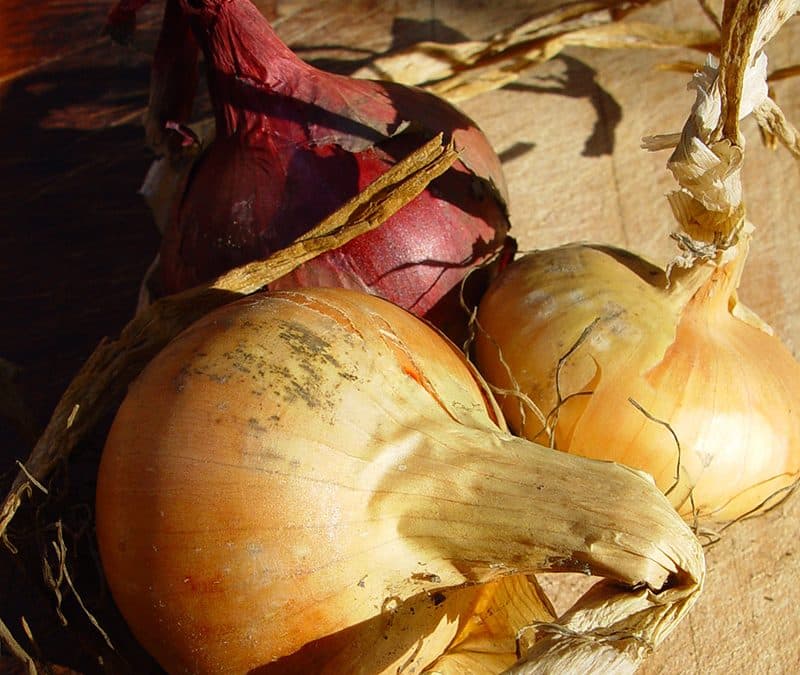
* Onions and garlic: Help repel pests.
* Carrots: Similar soil needs and timing.
* Brassicas: Chard’s deep roots won’t compete with shallow-rooted cabbages or kale.
Avoid planting near potatoes, which may stunt chard’s growth due to competition for nutrients.
Final Tips for Success
* Soak seeds in water overnight before sowing to speed up germination.
* Keep sowing every few weeks for a rolling harvest.
* Harvest regularly to encourage more growth and prevent bolting.
* Don’t be afraid to experiment with different varieties.
Final Thoughts
Swiss chard is one of the easiest and most rewarding crops you can grow in the UK. It’s beautiful, nutritious, and incredibly versatile in the kitchen. Whether you’re a beginner gardener or a seasoned grower, adding chard to your plot or patio will give you a near year-round supply of fresh greens.
With this guide in hand, you’ll be well on your way to enjoying bountiful harvests of Swiss chard from early summer through to winter. Happy growing!

Harvested: Swiss Chard – Bright Lights, from AJ’s allotment plot. Image courtesy of Allotment Junkie ©







0 Comments