As the grass begins to green and spring flowers start to bloom, many homeowners instinctively reach for the lawnmower. But what if, instead, we paused?
What if we let nature take the lead—at least for a little while? That’s the idea behind No Mow May, a growing environmental movement encouraging people to leave their lawns unmown for the month of May. While skipping a few lawn cuts might sound like a simple act of laziness or convenience, it can have profound ecological benefits. From boosting pollinator populations to conserving water, No Mow May is a small shift with a big impact.
What Is No Mow May?
No Mow May is a campaign that originated in the UK, spearheaded by the conservation charity Plantlife. The goal is to encourage people to avoid mowing their lawns during the month of May, allowing early spring flowers—often dismissed as weeds—to grow freely. This pause in mowing gives bees and other pollinators a much-needed head start after a long winter when food sources are scarce.
The movement has gained traction internationally, with cities and towns in North America, such as Appleton, Wisconsin, formally adopting the practice. Now, every spring, more households are joining in, turning their neatly trimmed lawns into buzzing micro-habitats teeming with life.
Why May?
May is a critical month for pollinators. After emerging from hibernation or dormancy, bees and other insects are hungry and actively foraging for food. Yet, by this time, many cultivated landscapes are still low on nectar-producing plants. Lawns, while generally seen as decorative, can be valuable feeding grounds—if allowed to grow.
Flowers like dandelions, clover, violets, and other so-called “weeds” are often the first to bloom. These provide an early source of nectar and pollen. By refraining from mowing, you allow these plants to flower, offering vital sustenance to pollinators at a crucial time in their life cycle.
The Ecological Case for No Mow May
The benefits of No Mow May extend beyond pollinators. Here’s a closer look at how letting your lawn grow can help the environment:
1. Boosts Pollinator Health
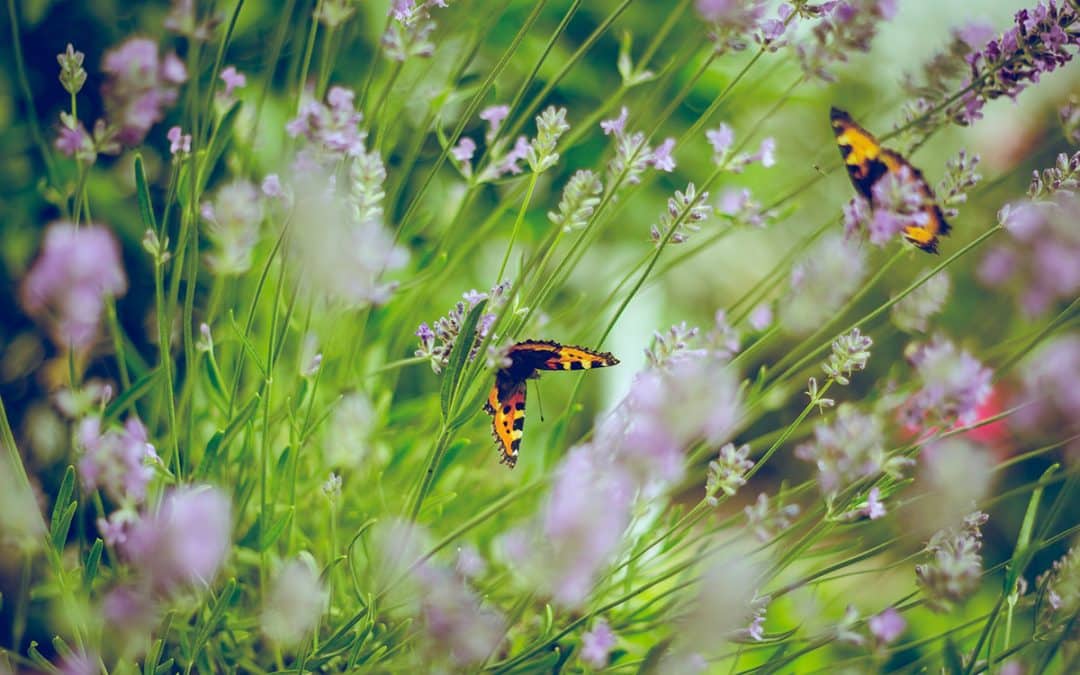
Bees, butterflies, and other insects are essential for the pollination of many food crops. Yet pollinator populations are declining worldwide due to habitat loss, pesticide use, and climate change. Allowing your lawn to grow creates a temporary habitat and food source for these important species.
2. Supports Biodiversity
A manicured lawn is often a monoculture—just one species of grass, kept short and uniform. When you skip mowing, a surprising variety of native plants can appear, supporting a wider range of insects, birds, and small mammals.
3. Reduces Emissions
Gas-powered lawn equipment contributes to greenhouse gas emissions and air pollution. By mowing less, you reduce your carbon footprint.
4. Improves Soil Health
Longer grass and deeper root systems help retain moisture in the soil, reduce erosion, and build healthier turf over time. A more natural lawn is better equipped to handle drought and heavy rainfall.
5. Conserves Water
Lawns kept short tend to dry out quickly, leading to more frequent watering. Letting grass grow longer helps retain soil moisture and reduces the need for irrigation.
Addressing the Criticisms
Like any movement, No Mow May is not without its critics. Some homeowners worry about their lawns looking unkempt or attracting ticks and rodents. Municipal regulations or homeowners’ association (HOA) rules may also require lawns to be maintained within certain height limits. Here’s how to address some of those concerns:
- Appearance: Participation doesn’t have to mean letting your entire yard go wild. You can selectively mow areas while leaving patches untouched, or add signage explaining your choice (many organisations offer downloadable “No Mow May” signs).
- Ticks: Ticks tend to live in shady, wooded areas and tall brush. Keeping the edges of your lawn mowed and avoiding overgrowth near walkways can help mitigate risks.
- Local Rules: Some municipalities have height restrictions for grass or weed ordinances. If you’re concerned, reach out to your local government or HOA to discuss temporary exceptions for No Mow May or explore ways to participate in a modified form.
How to Participate in No Mow May
Joining the movement is easy and accessible. Here’s a simple guide to getting started:
1. Commit to the Month
Skip mowing for the month of May, or even part of it. Let nature take its course and observe what plants and pollinators appear.
2. Educate and Share
Let neighbours know what you’re doing and why. Share photos on social media using hashtags like #NoMowMay. Download or create a yard sign to help spread awareness.
3. Monitor and Learn
Take note of what wildflowers and insects you see. Apps like iNaturalist or Seek can help you identify species and contribute to citizen science.
4. Plan Beyond May
Think of No Mow May as a gateway to more sustainable lawn care practices. Consider planting a pollinator garden, reducing lawn area, or converting part of your yard into a native meadow.
Beyond the Lawn: A Broader Perspective
No Mow May taps into a broader cultural shift toward rethinking our relationship with the land. Lawns have long been associated with tidiness, order, and status—but these ideals often come at an ecological cost. Maintaining a pristine lawn typically involves significant inputs of water, fertiliser, herbicides, and fossil fuels.
By questioning the necessity of constant lawn maintenance, No Mow May invites us to reimagine what a beautiful yard can be. A yard teeming with bees and butterflies, with flowers blooming freely and birdsong in the air, is not only more sustainable—it’s arguably more rewarding.
Final Thoughts
No Mow May is more than a feel-good environmental gesture. It’s a practical, science-backed response to the challenges facing pollinators and urban ecosystems. By simply parking your mower for a few weeks, you can play a small but meaningful role in supporting biodiversity and ecological health.
Whether you’re in a city, suburb, or rural area, consider letting your lawn breathe this May. You might be surprised at the life that springs up when you stop mowing and start noticing.