In recent years, the term rewilding has gained momentum as a powerful solution to the loss of biodiversity and the decline of native wildlife.
Traditionally applied to large-scale conservation projects, rewilding is now becoming a grassroots movement, with homeowners and gardening enthusiasts embracing the concept in their own backyards. Rewilding a garden involves creating a space that mimics natural ecosystems, promotes biodiversity, and provides a haven for pollinators, birds, and native plants.
This blog post explores the importance of rewilding your garden, highlighting the environmental, ecological, and personal benefits. It will also offer practical tips on how to transform your outdoor space into a thriving, biodiverse sanctuary.
The Decline of Biodiversity: Why Gardens Matter
Biodiversity loss is one of the most pressing environmental issues of our time. According to the UK’s State of Nature Report, nearly 41% of species have experienced population decline since the 1970s, with many facing the risk of extinction. The expansion of urban areas, agricultural intensification, and habitat fragmentation have contributed to the disappearance of natural landscapes.
Gardens, however, represent a significant untapped resource. In the UK alone, private gardens cover approximately 433,000 hectares—an area larger than the Lake District National Park. When managed with nature in mind, these spaces can become vital stepping stones for wildlife, linking fragmented habitats and providing essential resources.
What Is Rewilding?
Rewilding is the process of restoring ecosystems by allowing nature to take the lead. In the context of gardening, this means moving away from highly manicured, ornamental spaces and creating more naturalistic, wildlife-friendly environments. Key principles of rewilding include:
- Reducing human intervention: Allowing plants to self-seed and grow in natural patterns.
- Fostering biodiversity: Introducing native plants that attract pollinators and support the local food web.
- Providing habitat and shelter: Incorporating features such as log piles, ponds, and wildflower meadows to offer refuge to birds, insects, and small mammals.
Rewilding does not mean letting your garden become overgrown or messy—it’s about creating a balanced and self-sustaining ecosystem.
The Benefits of Rewilding Your Garden
1. Enhances Biodiversity
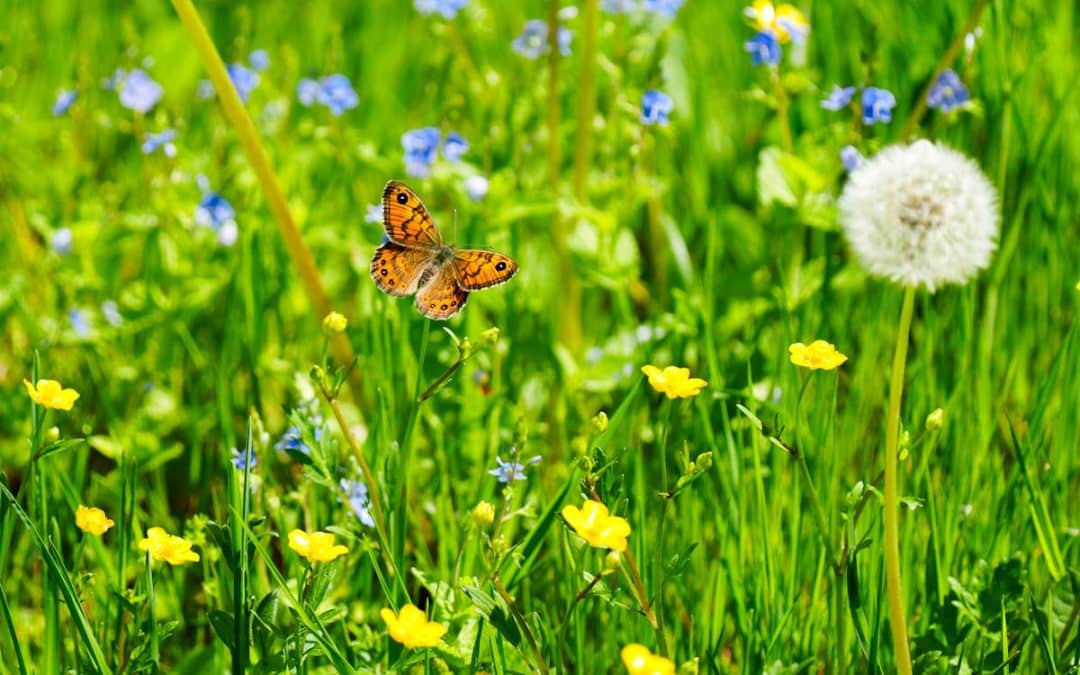
One of the most significant benefits of rewilding is the boost it provides to biodiversity. By planting a variety of native flowers, shrubs, and trees, you create a food source for bees, butterflies, and other pollinators. Introducing water features or leaving areas undisturbed encourages amphibians, birds, and small mammals to make your garden their home.
Impact on pollinators:
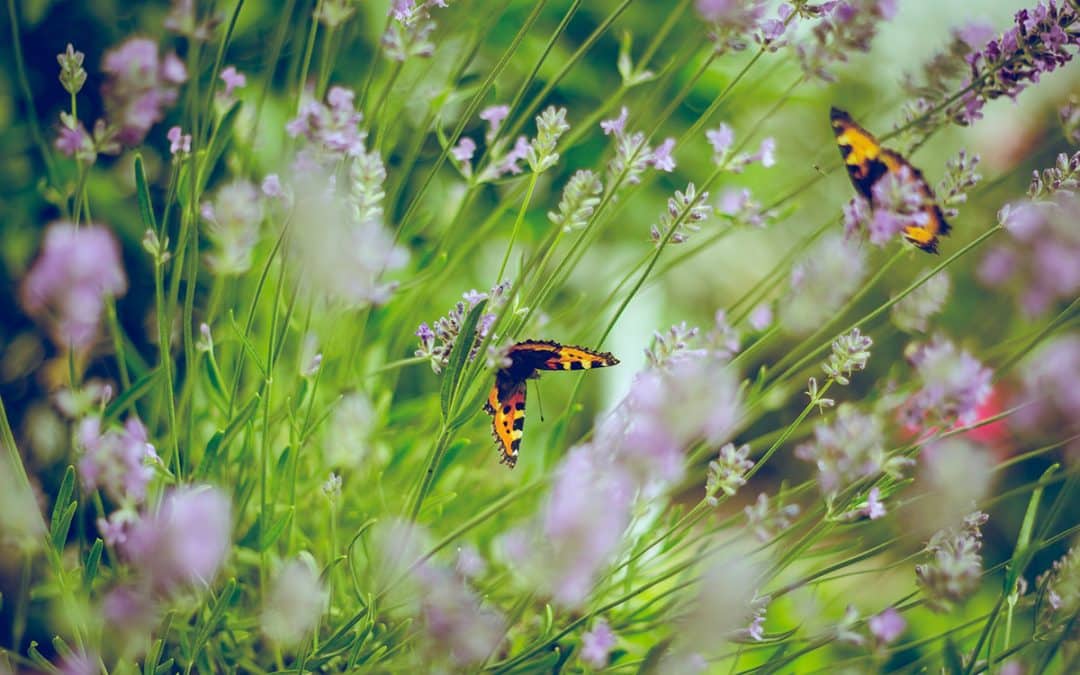
Pollinators play a crucial role in food production and maintaining healthy ecosystems. Yet, they are under threat from habitat loss and pesticide use. Rewilding gardens with nectar-rich flowers like lavender, foxgloves, and wild marjoram offers vital foraging opportunities.
Creating wildlife corridors:
By transforming gardens into mini nature reserves, individual homeowners can help create continuous green corridors, aiding the movement of wildlife across urban areas.
2. Fights Climate Change
Rewilding gardens can also play a small but significant role in mitigating climate change. By increasing vegetation cover, gardens can absorb carbon dioxide (CO2) and improve air quality.
Carbon sequestration:
Plants absorb CO2 during photosynthesis, locking carbon into the soil and plant biomass. Native shrubs, trees, and deep-rooted wildflowers are particularly effective at capturing and storing carbon.
Soil health and water retention:
Healthy, naturally managed soils store more carbon and retain water better. Rewilding practices, such as reducing soil disturbance and mulching, promote healthy microbial activity, which supports carbon capture.
3. Improves Water Management
Traditional lawns and ornamental gardens often have compacted soil, limiting water infiltration. This can lead to surface runoff and increased flood risk. In contrast, rewilded gardens with permeable surfaces, wildflower meadows, and rain gardens help absorb rainwater, reducing pressure on urban drainage systems.
Wild planting prevents soil erosion:
Deep-rooted native plants stabilise the soil, reducing erosion and retaining moisture. This improves the garden’s drought resilience, making it more adaptable to extreme weather events.
4. Supports Native Wildlife
Urban and suburban areas often lack the natural spaces wildlife needs to thrive. Rewilding your garden offers food, water, and shelter for creatures that are struggling due to habitat loss.
Hedgehogs and small mammals:
Hedgehogs, whose numbers have plummeted in the UK, benefit from rewilded gardens with hedgerows, log piles, and small openings in fences that allow them to roam.
Bird populations:
Planting berry-bearing shrubs and installing bird feeders or baths supports species such as blackbirds, robins, and goldfinches, which rely on garden habitats for food and water.
Amphibians and reptiles:
Creating a small pond or leaving a damp, shaded area encourages frogs, toads, and newts, which play a role in controlling garden pests.
5. Reduces the Need for Harmful Chemicals
Rewilding encourages a more natural, chemical-free approach to gardening. By creating a biodiverse ecosystem, natural predators like ladybirds, hedgehogs, and frogs help control garden pests, reducing the need for pesticides.
Improved soil fertility:
Rewilding encourages organic matter recycling through mulching and composting, reducing the need for synthetic fertilisers.
Fewer chemicals, healthier gardens:
Eliminating chemical treatments protects beneficial insects, improves soil health, and prevents water contamination.
6. Creates a Low-Maintenance, Resilient Garden
Rewilded gardens require less maintenance than traditional manicured lawns and ornamental flowerbeds. Native plants are more adapted to local conditions, requiring less watering, fertilising, and pruning.
Drought resistance:
Once established, native plants typically require less watering, making them more resilient during dry spells.
Self-seeding and natural propagation:
Wildflowers and meadow plants often self-seed, naturally filling in gaps and reducing the need for replanting.
7. Promotes Wellbeing and Connection with Nature
Spending time in a rewilded garden offers mental and physical health benefits. Studies show that exposure to green spaces reduces stress, boosts mood, and improves overall well-being.
Mindful gardening:
Rewilding encourages a slower, more contemplative approach to gardening, allowing you to observe nature’s rhythms and wildlife activity.
Family-friendly and educational:
A rewilded garden can become a living classroom, helping children learn about native plants, insects, and the interconnectedness of ecosystems.
Practical Tips for Rewilding Your Garden
1. Ditch the Lawn
Lawns offer little biodiversity. Replace part of your lawn with wildflower meadows or allow patches to grow longer, providing food and shelter for insects.
2. Plant Native Species
Choose native plants that thrive in your local soil and climate. In the UK, cowslips, knapweed, and oxeye daisies are excellent choices for attracting pollinators.
3. Create Wildlife Habitats
- Add a pond or shallow water source to attract amphibians and birds.
- Build log piles and leave leaf litter to provide shelter for insects and small mammals.
- Install birdhouses, bat boxes, and bug hotels.
4. Embrace Messiness
Allow a portion of your garden to become a little wilder—leave seed heads, fallen leaves, and dead wood, which provide food and shelter for wildlife.
5. Reduce Chemical Use
Stop using pesticides, herbicides, and synthetic fertilisers. Opt for organic, wildlife-friendly alternatives.
6. Connect with Neighbours
Encourage neighbours to adopt rewilding practices, helping create larger wildlife corridors across multiple gardens.
Conclusion
Rewilding your garden is not just a trend—it’s a meaningful way to combat biodiversity loss, support local wildlife, and create a resilient, low-maintenance outdoor space. By letting nature take the lead, you’ll enjoy a garden that hums with life, contributes to conservation efforts, and enhances your connection with the natural world.
Whether you have a large backyard or a small urban plot, every garden has the potential to become a wildlife sanctuary. The key to rewilding is patience—allowing nature the time and space to flourish will reward you with a vibrant, ever-changing garden teeming with life.
Image courtesy of Allotment Junkie