


May
As the days grow longer and warmer, May is an ideal time for gardeners to roll up their sleeves and get planting. Whether you have a small backyard plot, a few raised beds, or a collection of containers on a balcony, May offers a wide variety of fruit and vegetable planting opportunities. This is the month when spring truly shifts into gear, and soil temperatures rise enough to support vigorous plant growth. If you’re wondering what to sow or plant now, here’s a comprehensive guide to help you get the most from your garden.
Vegetables to SOW in May
1. Carrots
Carrots thrive when sown directly into light, well-drained soil. In May, you can sow both early and maincrop varieties. Thin them out as they grow to avoid overcrowding, which can lead to small, misshapen roots. Try companion planting with onions or leeks to deter carrot flies. See Allotment Junkies Growing Guide.
2. Beetroot
Beetroot is another great option for May sowing. It germinates quickly in warm soil, and you’ll be able to harvest baby beets within 6–8 weeks. Sow thinly in rows and thin out seedlings to allow space for the roots to swell. See Allotment Junkies Growing Guide.
3. French and Runner Beans
Once the risk of frost has passed, beans can be sown directly outdoors. Alternatively, sow them indoors earlier in the month and transplant them later. Provide support structures such as canes or a trellis, and water regularly to encourage flowering and pod formation.
4. Courgettes, Pumpkins, and Squash
These heat-loving plants can be started indoors in pots early in the month or sown outdoors in warm, fertile soil by the end of May. They need plenty of space, rich compost, and consistent watering. Try a mound or “hill” planting method to improve drainage and root strength. See Allotment Junkies Growing Guide.
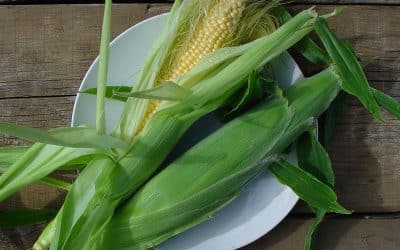
5. Sweetcorn
May is the last recommended month for sowing sweetcorn indoors. You can also direct sow once temperatures stay above 10°C (50°F) consistently. Plant in blocks rather than rows for effective wind pollination.
6. Turnips and Swedes
These root crops can be sown directly into the ground. Turnips are fast-growing and can be harvested in as little as six weeks, while swedes take longer but store well into winter.
7. Cabbages and Broccoli (for autumn/winter harvest)
May is a good time to sow brassicas like winter cabbage, kale, and purple sprouting broccoli. Start them in a seedbed or module trays and transplant them to their final position once established.
Leafy Greens
May is the time to sow leafy greens, which will provide fresh, nutrient-rich leaves for salads and cooking:
1. Lettuce
Sow different varieties for a continuous supply throughout summer.
4. Rocket
Adds a peppery kick to salads and grows quickly.
Herbs to Sow in May
Don’t forget herbs! Many culinary herbs can be sown or planted now for a summer full of flavour.
1. Basil
Sow indoors or in pots on a sunny windowsill or greenhouse.
2. Coriander and Dill
Sow directly in the soil for best results, as they dislike transplanting.
3. Parsley
A slower starter, parsley sown in May will be productive through summer and into autumn.
4. Chives, Oregano, and Thyme
These perennials can be planted from young plants now and will thrive in containers or beds.

May is the ideal time to work on those larger projects. Image courtesy of Allotment Junkie ©

Beetroots are starting to push up – continuously sow for a bumper harvest. Image courtesy of Allotment Junkie ©
Fruit to PLANT in May
1. Strawberries
If you missed planting strawberries earlier in the year, you can still plant cold-stored runners in May for a late summer harvest. Plant in well-drained soil in a sunny spot. Raised beds or hanging baskets work especially well. See Allotment Junkies Growing Guide.
2. Raspberries
Summer-fruiting raspberry canes should ideally be planted in late winter or early spring, but autumn-fruiting varieties can still be planted now. They’re lower maintenance and will start fruiting from late summer into the fall.
3. Gooseberries and Currants
May is your last chance to plant bare-root gooseberries, blackcurrants, redcurrants, and whitecurrants, though container-grown bushes can be planted later. These hardy fruit bushes thrive in full sun and require minimal care once established.
4. Tomatoes
May is prime time to transplant young tomato plants into grow bags, pots, or greenhouse beds. Outdoors, wait until the danger of frost has passed—usually mid to late May. Choose a sunny, sheltered spot and stake indeterminate varieties to support their upward growth. See Allotment Junkies Growing Guide.
5. Melons
If you’re feeling adventurous and have a greenhouse or a very warm, sheltered garden, melons can be sown or transplanted in May. They need high heat and humidity to thrive, so this isn’t one for the casual gardener—but it’s very rewarding.
6. Blueberries (in containers)
Though often best planted in early spring or fall, container-grown blueberries can still be added to your garden in May. They require acidic soil (pH below 5.5), so use ericaceous compost and rainwater for best results.
Tips for a Successful May Planting
Harden Off Seedlings: If you’ve raised seedlings indoors, gradually acclimate them to outdoor conditions over a week before planting out.
Watch for Pests: Warmer weather brings slugs, aphids, and cabbage white butterflies. Use organic deterrents like beer traps, netting, or companion planting.
Water Wisely: Water early in the morning or late in the evening to reduce evaporation. Focus on the roots rather than spraying the leaves.
Feed Regularly: Crops like tomatoes, cucumbers, and squash are heavy feeders. Use a balanced organic feed or tomato fertilizer to support flowering and fruiting.
Planning Ahead for a Productive Year
May is one of the most exciting months in the gardening calendar. The risk of frost is fading, and a wide variety of fruit and veg can be planted or sown with confidence. Whether you’re dreaming of juicy strawberries, crunchy carrots, or plump tomatoes, the time to act is now. With just a bit of planning and regular care, your efforts in May will lead to a bountiful harvest throughout the summer and beyond.
So grab your trowel, check the forecast, and get planting—your garden is ready to grow!

Asparagus is now starting to push up for the May harvest – a long term investment on any allotment or home vegetable garden. Image courtesy of Allotment Junkie ©
Plan ahead...
Social share this...




0 Comments