Dig This: A Guide to Growing Tomatoes

by Other Vegetables, Sowing, Growing Guide

Sowing & Planting

Care, Pests, Diseases

Troubleshooting

A bold, vintage-style typographic design with a distressed texture. The text reads: ALLOTMENT JUNKIE CLUB, ONLY THE HARDY SHOULD APPLY The word "CLUB" is the largest and most prominent, with a rough, textured effect. The rest of the text is arranged around it, with "ALLOTMENT JUNKIE" in an arc at the top and "ONLY THE HARDY SHOULD APPLY" in smaller text below. The design gives off a rugged, outdoorsy, and exclusive feel, likely appealing to gardening enthusiasts, particularly those who maintain allotments (community garden plots) and enjoy the challenges of growing their own produce. Image copyright Allotment Junkie

🍅 Tomatoes 

Tomatoes are one of the most rewarding crops to grow, offering delicious, juicy fruits that taste far better than anything store-bought. Whether you’re an experienced gardener or a beginner, growing tomatoes in the UK can be highly successful with the right approach. This guide will walk you through everything you need to know.

Understanding Tomatoes

Tomatoes (Solanum lycopersicum) are warm-season crops that require plenty of sunlight and warmth to thrive. They come in various shapes, sizes, and flavors, making them a versatile addition to any garden.

Choosing the Right Variety

Selecting the right tomato variety is crucial for success in the UK climate. Some of the best types for UK growers include:

* Cherry Tomatoes – Sweet and easy to grow, ideal for beginners (e.g., ‘Gardener’s Delight’).

* Beefsteak Tomatoes – Large and meaty, perfect for slicing (e.g., ‘Brandywine’).

* Plum Tomatoes – Great for sauces and pastes (e.g., ‘Roma’).

* Bush (Determinate) Tomatoes – Compact and great for containers (e.g., ‘Tumbling Tom’).

* Cordon (Indeterminate) Tomatoes – Require staking but produce a steady harvest (e.g., ‘Alicante’).

Selecting the Best Location

Tomatoes need at least 6-8 hours of direct sunlight per day. In the UK, a greenhouse, polytunnel, or sunny, sheltered spot is ideal for ensuring adequate warmth.

Preparing the Soil

Tomatoes thrive in rich, well-drained soil. Follow these steps for optimal growth:

1. Loosen the Soil – Dig at least 12 inches deep.

2. Add Organic Matter – Mix compost or well-rotted manure for nutrients.

3. Check pH Levels – Tomatoes prefer slightly acidic to neutral soil (pH 6.0–6.8).

4. Ensure Good Drainage – Avoid waterlogged conditions, which can lead to root rot.
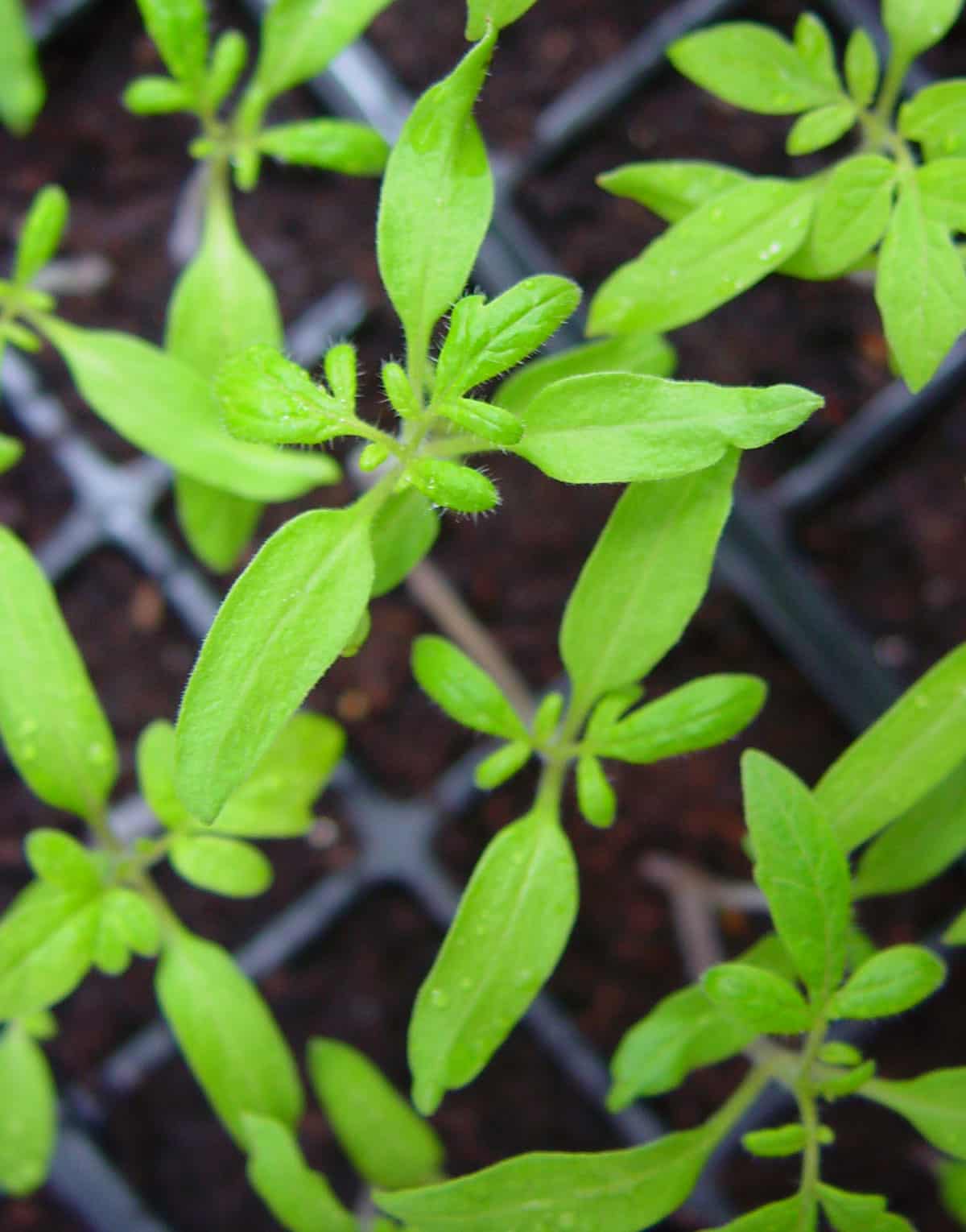
Close-up of green seedlings with elongated leaves, showing fine hairs on stems and leaves. The background reveals a grid-like black tray with dark, moist soil. The image suggests a nurturing environment for young Tomato plants.

Young Tomato plants still in the seed tray before potting 0n into 12″ pots. Image courtesy of Allotment Junkie ©
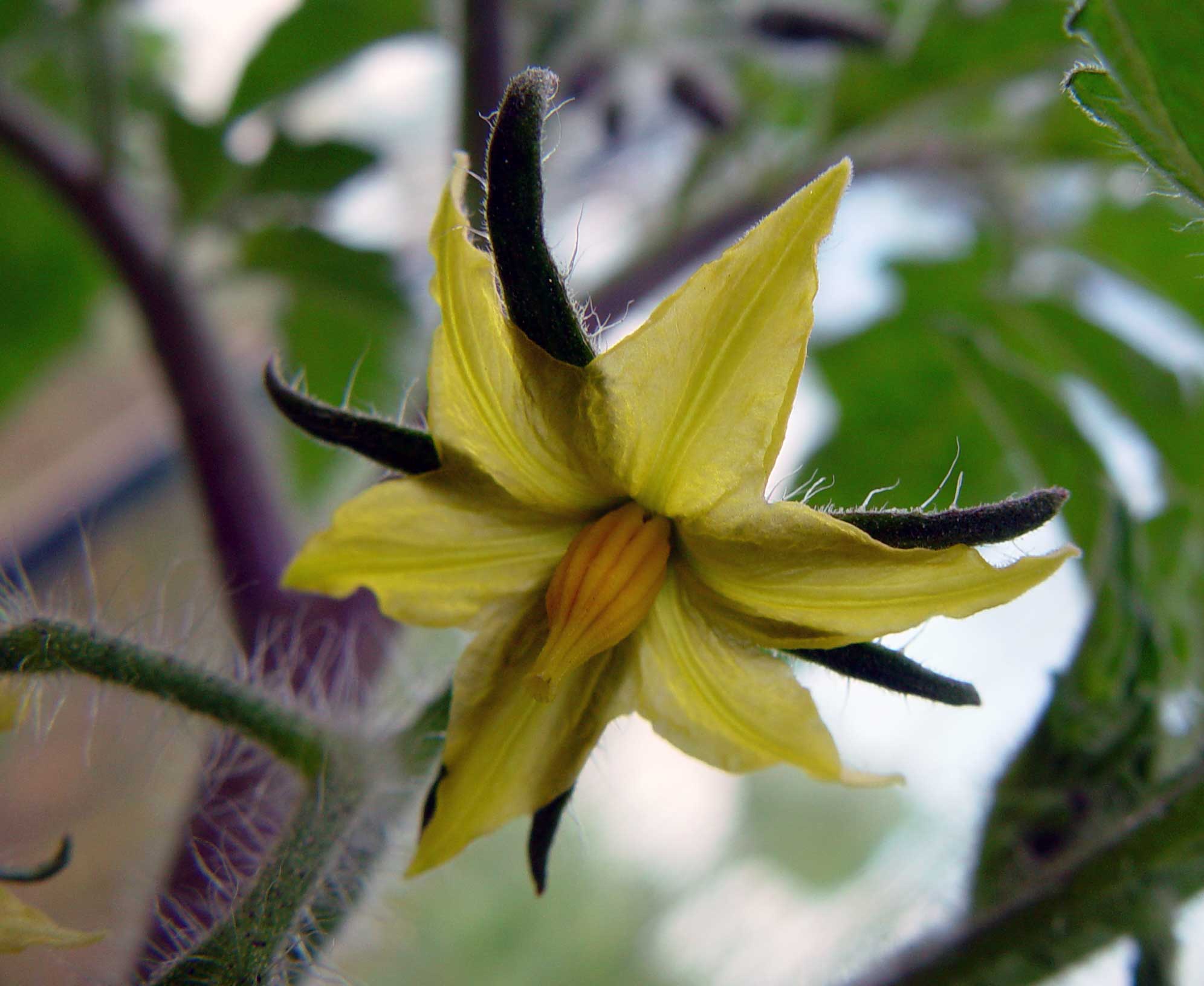
Close-up of a yellow tomato flower with five pointed petals and a fuzzy texture. The centre features a cluster of yellow stamens. Surrounding the flower are green leaves and stems, also covered in fine hairs. The background is softly blurred with hints of blue and green.

Tomato flower in spring at Allotment Junkies. Image courtesy of Allotment Junkie ©

Planting Tomatoes

Tomatoes can be grown from seed or purchased as young plants. Here’s how to plant them successfully:

When to Plant

* Indoor Sowing: Start seeds indoors in February-March.

* Outdoor Planting: Move plants outside after the last frost, typically in late May or early June.

* Greenhouse Growing: Plant from April onwards for an earlier harvest.

How to Plant

1. Sow Seeds – Start seeds in small pots with seed compost.

2. Provide Warmth – Keep them at 18-21°C until germination (7-14 days).

3. Transplant Seedlings – Once they have two true leaves, move them into larger pots.

4. Harden Off Plants – Before planting outside, gradually expose them to outdoor conditions over 7-10 days.

5. Plant Deep – Bury the stem up to the first leaves to encourage strong root growth.
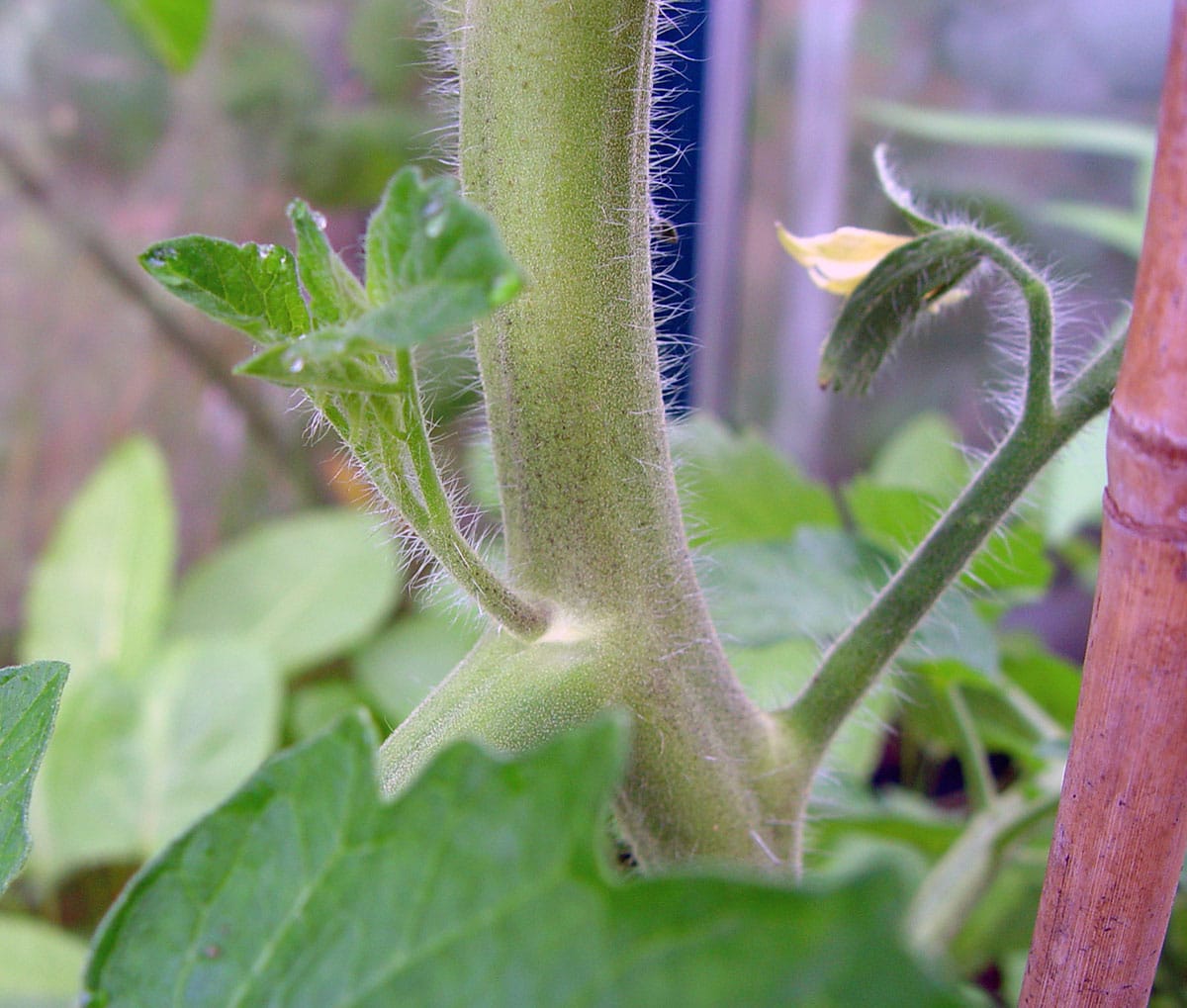
Close-up of a tomato plant stem with fine white hairs. Two small green leaves side shoots extend outward, and a wooden support stick is nearby. A curled leaf end is visible on the right. The background is slightly blurred, showing more foliage in shades of green.

A side shoot on the left side of the Tomato vine that needs to be ‘pinched out’ to allow for strong fruits on the flowering right side. Image courtesy of Allotment Junkie ©
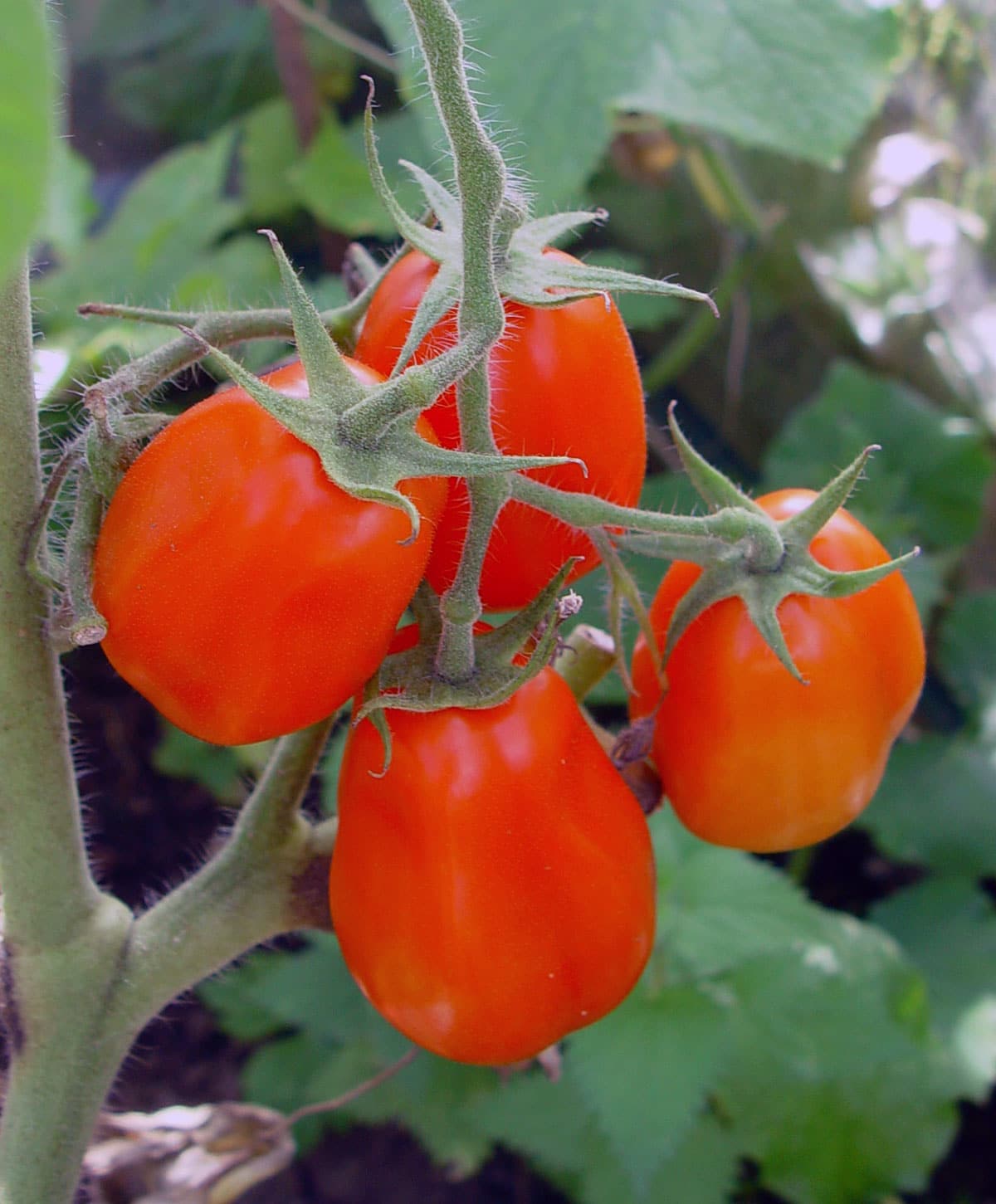
Close-up of a cluster of ripe, red Roma tomatoes hanging from a vine. The tomatoes are oval-shaped and have a glossy surface. Green leaves and stems surround the tomatoes, with soft natural light highlighting their vibrant colour, creating a fresh and lush appearance.

Plum Tomatoes on the vine grown by Allotment Junkie. Image courtesy of Allotment Junkie ©

Caring for Tomatoes

Watering

* Keep soil consistently moist but not soggy.

* Water at the base of plants to avoid fungal diseases.

* In hot weather, water early in the morning or late in the evening.

Feeding

* Use a high-potassium fertiliser (e.g., tomato feed) once flowers appear.

* Feed every 7-10 days for healthy fruit development.

Supporting Growth

* Cordon (Indeterminate) Varieties: Stake plants and remove side shoots to focus energy on fruit production.

* Bush (Determinate) Varieties: Require minimal support but benefit from mulch to retain moisture.

Pruning

* Remove lower leaves as plants grow to improve air circulation.

* Pinch out the top of the plant once it reaches its support’s height.
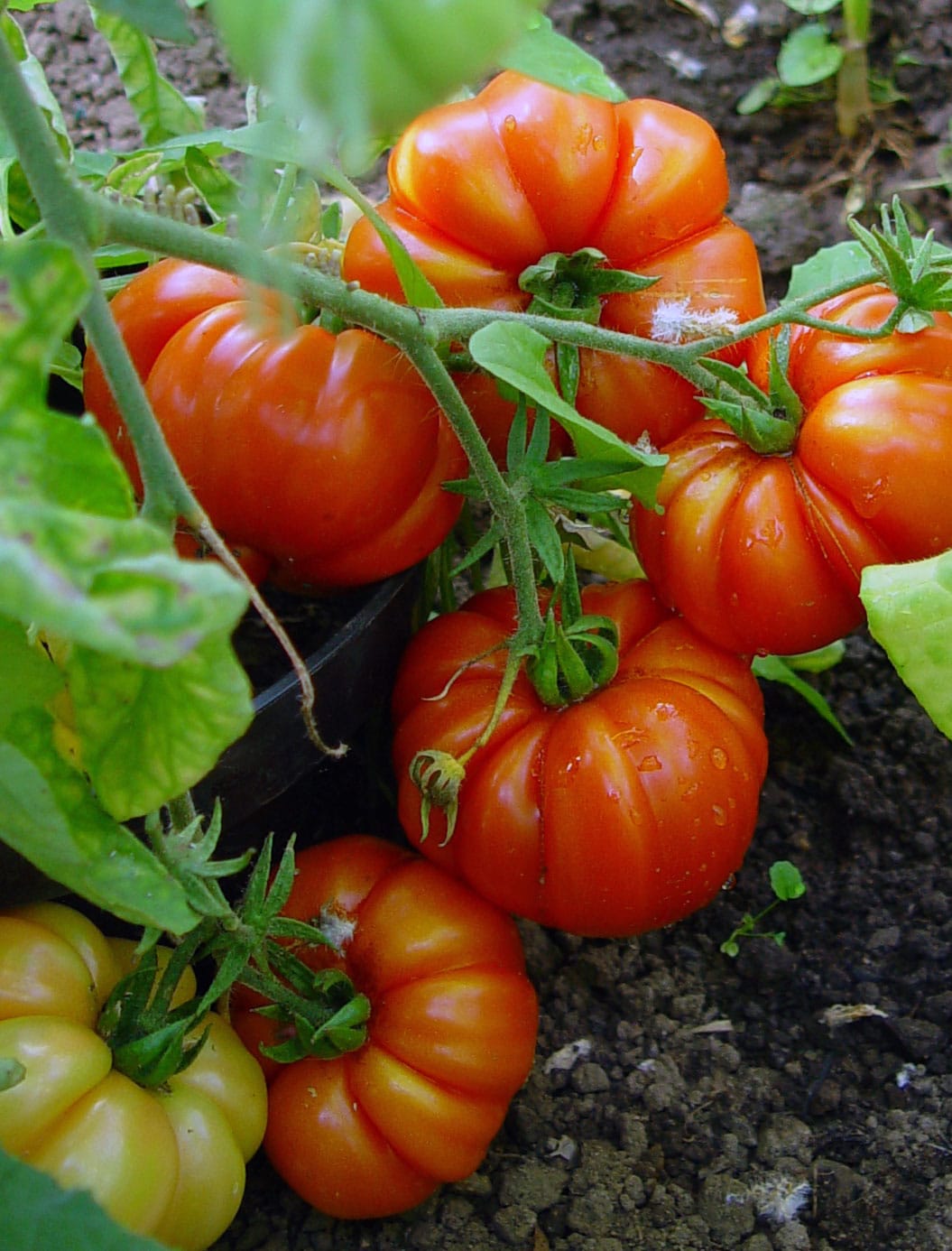
Ripe, red Beef tomatoes with a slightly wrinkled surface grow in clusters on a lush green vine. One tomato at the bottom is still yellowish, indicating it is not fully ripe. The plants are set against a background of dark, moist soil. Grown by Allotment Junkie.

Beef Tomatoes grown by Allotment Junkie. Image courtesy of Allotment Junkie ©

Common Pests and Diseases

* Aphids – Spray with a jet of water or use natural predators like ladybirds.

* Tomato Blight – Prevent by spacing plants well and avoiding overhead watering.

* Whiteflies – Use sticky traps or insecticidal soap.

* Blossom End Rot – Avoid calcium deficiency by keeping soil moisture consistent.

Harvesting Tomatoes

Tomatoes typically ripen 60-80 days after planting.

How to Harvest

* Pick when fruits are fully colored and slightly soft to the touch.

* If frost threatens, pick green tomatoes and ripen indoors on a windowsill.

Storage Tips

* Store at room temperature to maintain flavor.

* Refrigerate only if overripe to extend shelf life.

Growing Tomatoes in Containers

Tomatoes grow well in pots if they have enough space and nutrients. Use a container at least 12 inches deep, ensure proper drainage, and feed regularly.

Companion Planting

Good companions for tomatoes include:

  • Basil – Improves flavour and repels pests.
  • Marigolds – Deter whiteflies and aphids.
  • Garlic & Onions – Help prevent fungal diseases.

Avoid planting near potatoes, as both can suffer from blight.

Troubleshooting Common Issues

Poor Fruit Set

* Hand-pollinate flowers by gently shaking the plant.

* Avoid overfeeding with nitrogen, which encourages foliage instead of fruit.

Cracking or Splitting Fruits

* Ensure even watering to prevent fluctuations in moisture levels.

Yellowing Leaves

* Could indicate nutrient deficiency or overwatering.

* Apply balanced feed and improve drainage if necessary.
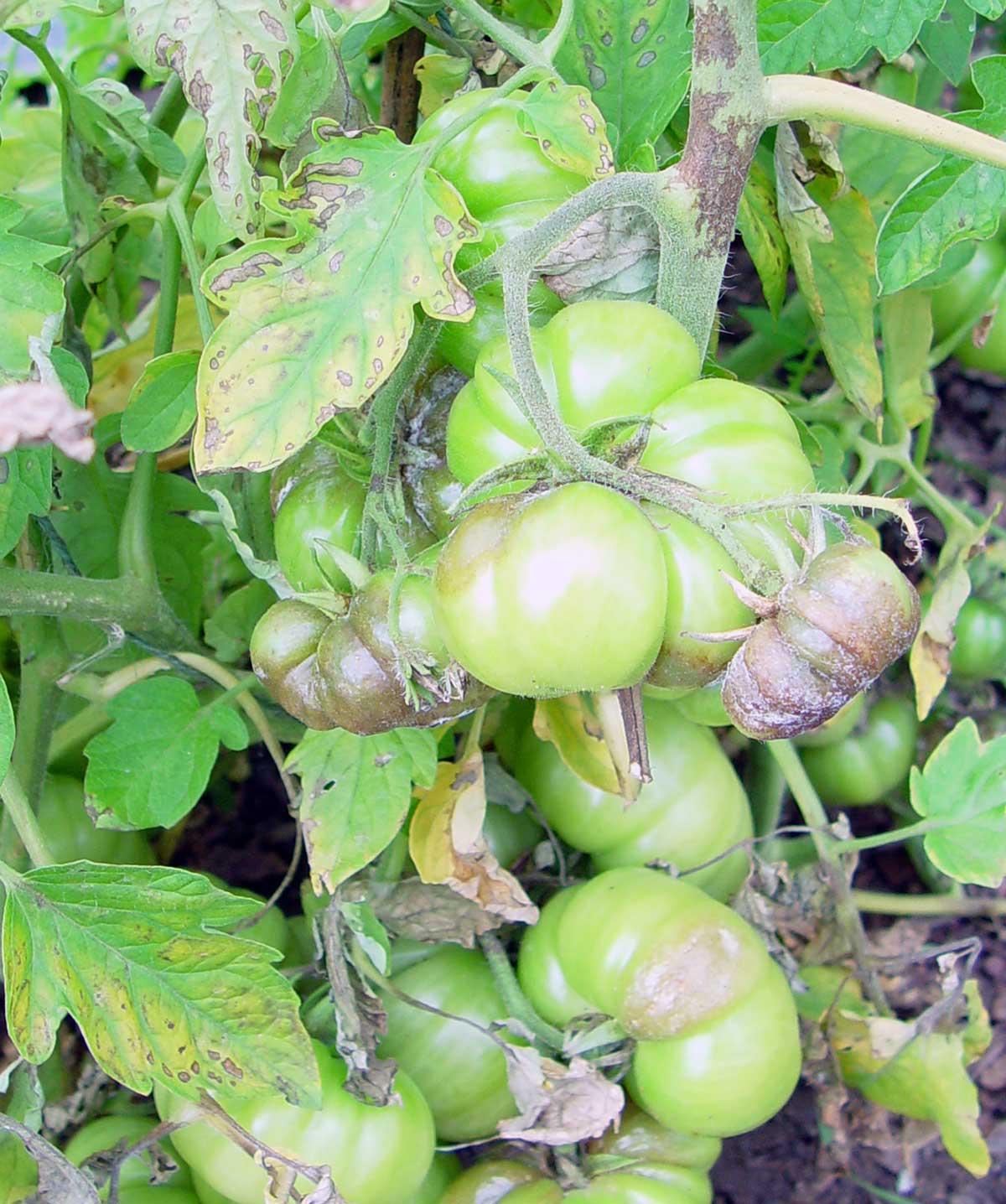
Green tomatoes hanging on the vine, surrounded by leaves showing signs of disease with spots and discoloration. The tomatoes are unripe, with patches of brown rot, suggesting potential issues with blight or another plant disease. The background reveals more foliage.

Tomato Blight. Image courtesy of Allotment Junkie ©

Large, green tomatoes grow on a vine next to a prominent yellow leaf with brown spots, showing signs of disease or nutrient deficiency. The background is filled with green leaves and stems under natural sunlight.

Tomato nutrient deficiency or overwatering. Image courtesy of Allotment Junkie ©
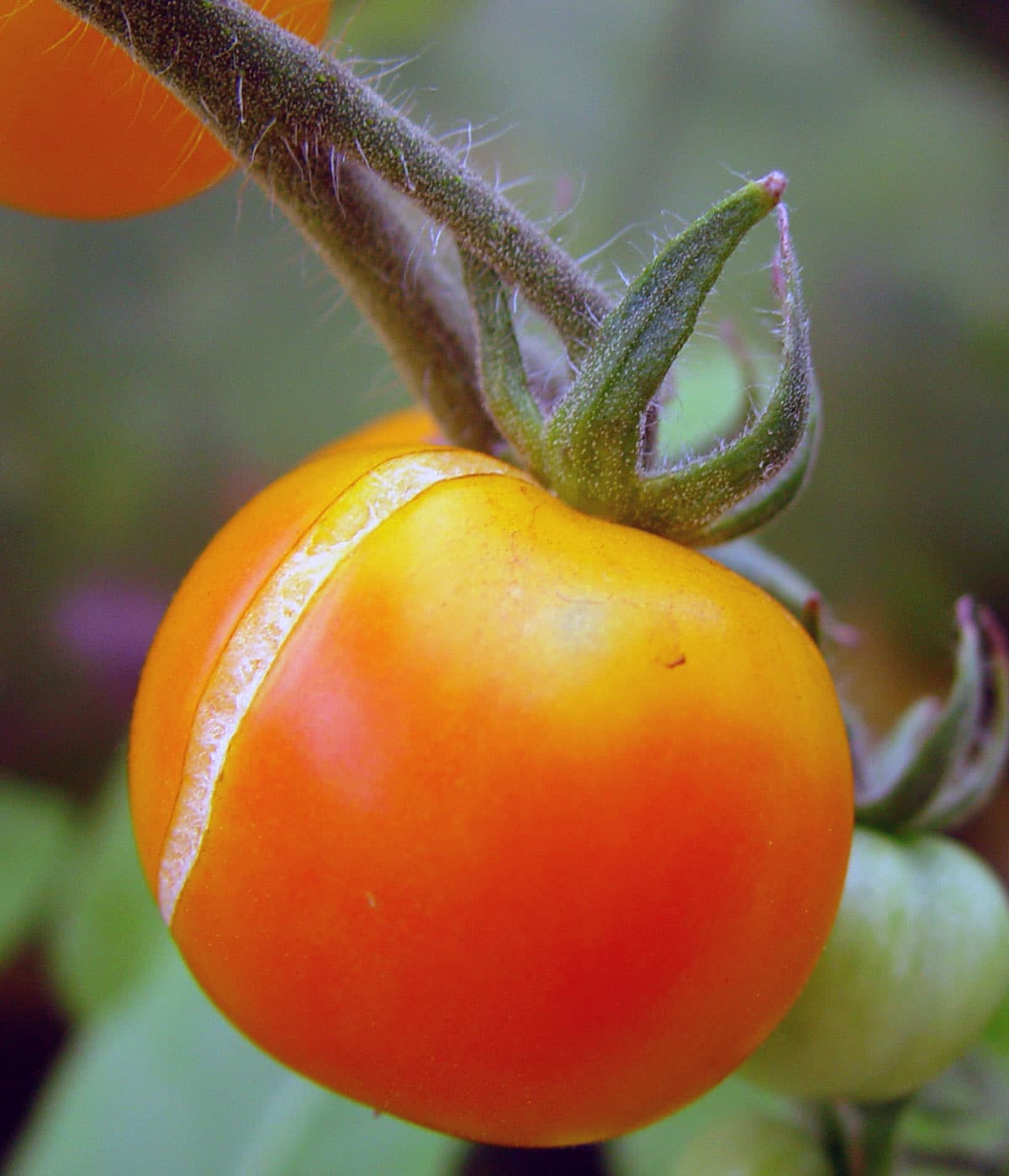
Close-up of a ripening tomato hanging from a hairy stem. The tomato is predominantly orange with shades of red and a visible split on one side. The surrounding background is blurred, featuring green leaves.

Cracking or Splitting Fruits: Ensure even watering to prevent fluctuations in moisture levels. Image courtesy of Allotment Junkie ©

Conclusion

Growing tomatoes in the UK is incredibly rewarding with the right preparation and care. Whether in a greenhouse, garden, or container, following these guidelines will ensure a bountiful harvest of delicious homegrown tomatoes!

A cluster of tomatoes growing on a vine. The tomatoes are in various stages of ripeness, ranging from green to yellow-orange to fully ripe red. The vine and stems are covered in fine, fuzzy hairs, and the surrounding green leaves create a lush background. Sunlight illuminates the tomatoes, highlighting their smooth, shiny surfaces. The image captures the fresh and natural beauty of homegrown tomatoes in a garden setting. Image copyright Allotment Junkie

Tomatoes ‘Gardeners Delight’ grown by Allotment Junkie. Image courtesy of Allotment Junkie ©

 Do you have TIPs to share?

0 Comments

Submit a Comment

Your email address will not be published. Required fields are marked *

Share this post…

Allotment Junkie logo with the words “Produced by" in white, positioned at the top in a smaller font size. "allotment JUNKIE" in large, bold, white, textured letters resembling chalk or hand-drawn style. The word "allotment" includes two garden tools (a fork and a trowel) integrated into the letters. "Join the revolution" in green, appearing at the bottom in a bold, slightly distressed font. The entire design has a rustic, organic, and hand-crafted aesthetic, representing a brand and movement related to gardening or sustainability. There is a registered trademark symbol next to "JUNKIE," indicating brand protection.
Dig This: A Guide to Growing Cabbages

Dig This: A Guide to Growing Cabbages

🥬 Cabbages Cabbage is one of the most rewarding vegetables to grow in the UK. With its crisp texture, rich nutritional value, and versatility in the kitchen, it's no wonder cabbage has remained a staple in British gardens for centuries. Whether you’re a seasoned...

Dig This: A Guide to Growing Courgettes

Dig This: A Guide to Growing Courgettes

🥒 Courgettes Courgettes, also known as zucchini in other parts of the world, are one of the most rewarding vegetables to grow in the UK garden. They’re fast-growing, highly productive, and surprisingly low-maintenance—perfect for beginners and seasoned gardeners...

Dig This: A Guide to Growing Beetroots

Dig This: A Guide to Growing Beetroots

Beetroot Beetroots, also known simply as beets, are a versatile and nutritious root vegetable that thrive in the UK’s temperate climate. Whether you’re a seasoned gardener or a curious beginner, growing your own beetroots can be a rewarding and surprisingly easy...

Dig This: A Guide to Growing Asparagus

Dig This: A Guide to Growing Asparagus

Asparagus Asparagus is a delicacy in British kitchens — a versatile, flavourful vegetable that signals the start of spring. It’s also a rewarding crop for gardeners with a bit of patience. Once established, an asparagus bed can provide delicious spears for up to 20...

Dig This: A Guide to Growing Onions

Dig This: A Guide to Growing Onions

🧅 Onions Onions are one of the most versatile and widely used vegetables in UK kitchens. Whether it’s a rich stew, a vibrant salad, or a homemade curry, onions form the foundation of countless dishes. But did you know they’re also one of the easiest and most rewarding...

Advertisement 

A promotional banner for the book “Lost the Plot” by Allotment Junkie, a guide to 'growing your own fruit and vegetables'. The cover is featuring gardening tools and seeds. The book price is listed as £14.99 + P&P. PayPal and website ordering are available. The design uses earthy tones and rustic textures. Only available from the Allotment Junkie website online store.

Reviews

AJ's Book

About Us

MERCH

Support

Support

If you need help and support please reach out for it, here are some options:
Samaritans logo

Samaritans (UK)

Email: jo@samaritans.org

Phone: 116 123
(24 hours a day, 365 days a year)

www.samaritans.org

Trussell Trust Logo

Trussell Trust

Get emergency food
www.trussell.org.uk/emergency-food

Help and advice
www.trussell.org.uk/help-and-advice

Mind Logo

Mind

If you or someone you know is in crisis, you can get help now.

Call our support line on 0300 102 1234

Call our Infoline on 0300 123 3393

Logo for "Allotment Junkie." The text is styled in a bold, black font, and beneath it, the phrase "Join the revolution" is written in green with a textured, stencil-like appearance. The design suggests a rustic, grassroots, or eco-friendly theme, related to gardening, allotments, sustainability, and self-sufficiency. Image copyright Allotment Junkie

Privacy Overview

This website uses cookies so that we can provide you with the best user experience possible. Cookie information is stored in your browser and performs functions such as recognising you when you return to our website and helping our team to understand which sections of the website you find most interesting and useful.