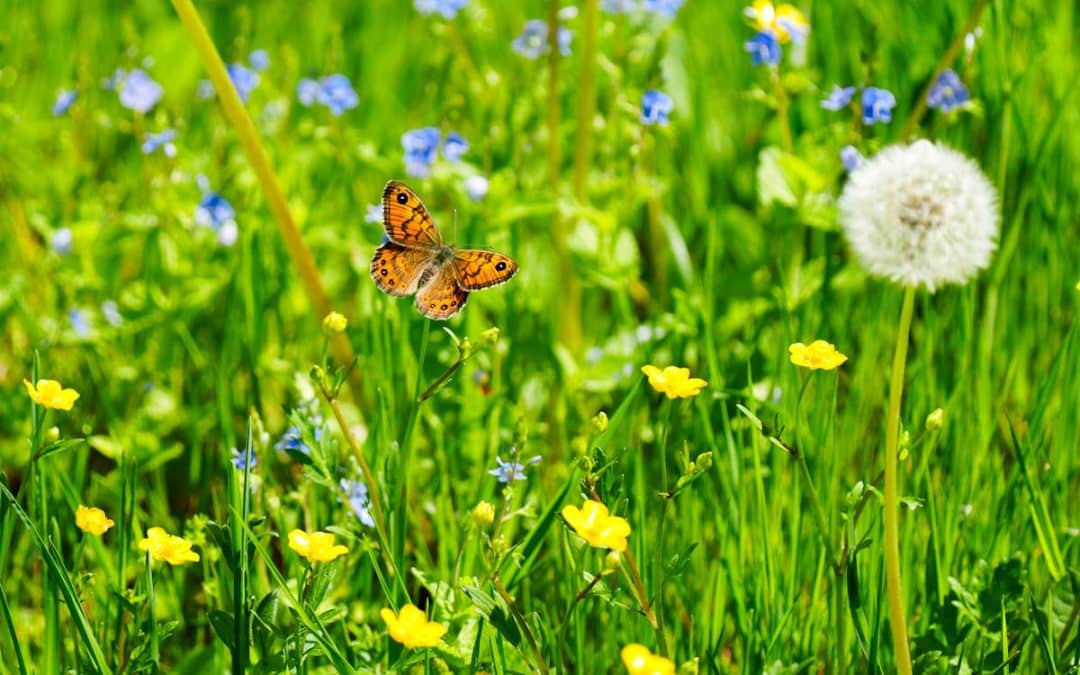
In an era where cities are rapidly expanding and urban living has become the norm for more than half of the global population, green spaces have emerged as essential oases amidst the concrete jungle.
From sprawling parks to community gardens and green rooftops, these patches of nature offer more than just aesthetic value—they have profound psychological benefits that can significantly improve the quality of life for urban dwellers.
The Rise of Urban Living—and Its Challenges
Urban environments are often characterised by high population density, constant noise, air pollution, and a fast-paced lifestyle. While cities offer numerous opportunities—economic growth, cultural diversity, innovation—they also contribute to rising stress levels, increased mental health issues, and reduced physical activity. According to the World Health Organisation, urban residents are at a higher risk of experiencing depression, anxiety, and other psychological disorders compared to their rural counterparts.
This growing urban mental health crisis has sparked increased interest in how city design and infrastructure can promote well-being. Among the most effective and natural solutions is the integration of green spaces within urban landscapes.
Green Spaces Defined
Green spaces refer to areas of vegetation within urban settings, including public parks, street trees, gardens, green rooftops, and even indoor plants. These environments can vary in scale and purpose, but their unifying trait is the presence of nature in an otherwise artificial setting.
1. Stress Reduction and Relaxation
One of the most well-documented psychological benefits of green spaces is their ability to reduce stress. Exposure to natural environments has been shown to lower cortisol levels—the hormone associated with stress—and activate the parasympathetic nervous system, which promotes relaxation.
Attention Restoration Theory (ART), developed by psychologists Stephen and Rachel Kaplan, suggests that natural settings help restore our ability to focus and reduce mental fatigue. Unlike urban environments that demand constant directed attention (e.g., avoiding traffic, navigating crowds), nature provides “soft fascination,” allowing the brain to rest and recover.
A simple walk in the park, sitting under a tree, or even viewing greenery from a window can lead to measurable decreases in blood pressure and heart rate, contributing to a sense of calm and well-being.
2. Improved Mood and Emotional Well-being
Green spaces have been linked to enhanced mood and reduced symptoms of depression and anxiety. A study published in the journal Landscape and Urban Planning found that individuals living near green areas reported higher levels of life satisfaction and happiness.
Nature provides a multisensory experience—the sound of birds chirping, the rustling of leaves, the sight of greenery—all of which can uplift mood and foster positive emotions. The mere presence of green space can provide a psychological buffer against urban stressors, promoting resilience and emotional balance.
Furthermore, access to green spaces encourages outdoor activities and social interactions, which are themselves beneficial for mental health.
3. Enhanced Cognitive Function and Creativity
Time spent in green environments has been shown to boost cognitive performance, particularly in areas such as memory, attention, and problem-solving. For example, a study by the University of Michigan found that participants who walked in nature performed 20% better on memory tests than those who walked in urban settings.
Nature also stimulates creativity. The absence of digital distractions and the immersive experience of natural surroundings create a mental space where new ideas can flourish. This is particularly valuable in cities where creative industries thrive, and mental agility is a key asset.
For children, access to green play areas is associated with improved attention spans, reduced symptoms of ADHD, and better academic performance.
4. Increased Social Cohesion and Community Engagement
Green spaces serve as communal gathering spots where people from diverse backgrounds can connect. Parks, gardens, and recreational areas facilitate social interactions, fostering a sense of belonging and community identity.
Research shows that neighbourhoods with more green areas tend to have stronger social ties, lower crime rates, and greater civic engagement. These social benefits contribute to psychological well-being by reducing feelings of isolation and promoting mutual support among residents.
Community gardening initiatives, for example, not only provide a source of fresh produce but also create opportunities for collaboration, learning, and cultural exchange.
5. Support for Physical Health, Which Impacts Mental Health
While the primary focus here is psychological well-being, it’s important to note the strong connection between physical and mental health. Green spaces encourage physical activity—walking, jogging, cycling—which in turn releases endorphins and improves overall mood.
Regular exposure to green environments has been linked to better sleep quality, stronger immune function, and lower obesity rates—all of which contribute to a more balanced mental state. For individuals with chronic illnesses, time spent in nature has even been shown to aid in recovery and pain management.
6. Reduction in Urban Noise and Heat
Green spaces help buffer urban noise and reduce heat through natural processes. Trees and vegetation absorb and deflect sound, creating quieter, more serene environments that contribute to mental relaxation.
Urban heat islands—areas significantly warmer than their surroundings due to human activity—can exacerbate stress and fatigue. Green spaces mitigate this by providing shade and cooling through evapotranspiration, creating more comfortable microclimates that improve residents’ mood and comfort.
7. A Sense of Meaning and Connection
Nature provides an opportunity for reflection, introspection, and a connection to something larger than oneself. In urban settings where daily life is often rushed and transactional, green spaces offer moments of stillness and perspective.
Many people report experiencing a sense of awe or spiritual connection when in natural settings. This can enhance psychological well-being by instilling a sense of meaning, purpose, and gratitude.
Urban Green Space as a Public Health Tool
Given their wide-ranging benefits, green spaces are increasingly recognised as critical infrastructure for public health. Urban planners, architects, and policymakers are now considering green space not as a luxury, but as a necessity for sustainable and healthy city living.
Cities like Singapore, Copenhagen, and Melbourne have become global leaders in integrating greenery into urban design—incorporating vertical gardens, green roofs, and forested walkways into everyday life.
Moreover, equitable access to green spaces is a growing concern. Marginalised communities often have less access to quality green areas, which can exacerbate existing health disparities. Ensuring that all residents, regardless of socioeconomic status, have access to nature is a key step toward mental health equity.
Practical Tips for Individuals
Even if you live in a city with limited green space, there are still ways to incorporate nature into your daily life for psychological benefits:
- Visit local parks regularly, even for short walks or breaks.
- Bring nature indoors with houseplants, flowers, or nature-inspired décor.
- Practice mindfulness in nature, such as forest bathing or nature meditation.
- Get involved in community greening projects or urban gardening initiatives.
- Use digital nature—nature videos, sounds, and virtual green spaces—for brief mental respites.
Conclusion
As urbanisation continues to shape the 21st century, our mental well-being depends on how well we integrate nature into our cities. Green spaces offer a powerful antidote to the psychological toll of urban life—reducing stress, enhancing mood, supporting cognition, and fostering social connections.
Designing cities with mental health in mind means prioritising access to green environments for all residents. Whether through expansive city parks or small community gardens, these spaces hold the potential to transform urban living into a more balanced, humane, and mentally enriching experience.