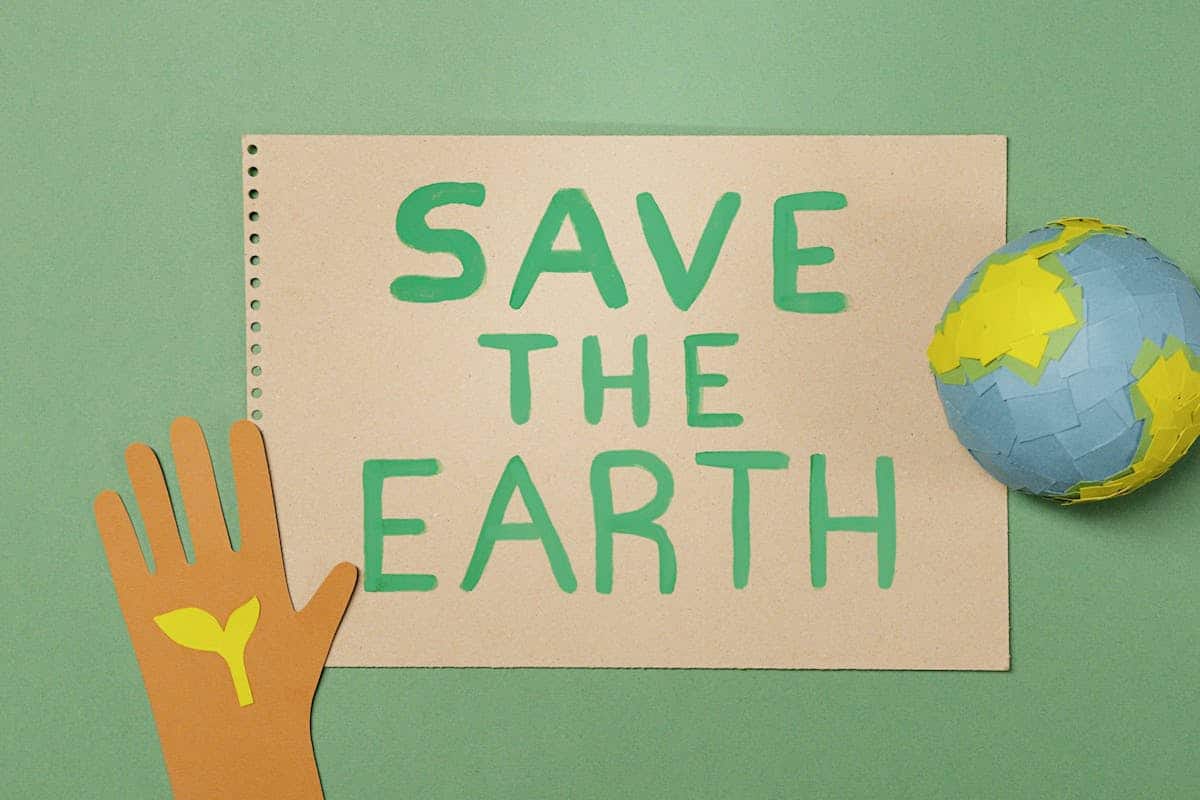
Each year on April 22nd, millions of people across the globe unite to celebrate World Earth Day — a day dedicated to honouring the planet we call home and recognising the urgent need to protect it.
Since its inception in 1970, Earth Day has evolved into the largest secular observance in the world, celebrated by over a billion people annually. It’s a day of education, action, and reflection, reminding us that the health of our environment is intricately linked to the health of our future.
In 2025, Earth Day feels even more pressing. Climate change, biodiversity loss, and pollution are no longer distant threats; they are realities that are shaping our lives every day. This year’s Earth Day theme, “Planet vs. Plastics,” urges us to take a hard look at the pollution crisis and take real steps toward a cleaner, healthier world.
But Earth Day is more than just a day — it’s a movement. It’s a call to action to live sustainably, to advocate for change, and to protect the fragile ecosystems that sustain all life on Earth.
The Origins of Earth Day
The idea for Earth Day was born in the turbulent late 1960s, a time of social and political change in the United States. Public awareness of environmental issues was growing, fueled by disasters like the Santa Barbara oil spill of 1969 and the publication of Rachel Carson’s groundbreaking book, Silent Spring.
Senator Gaylord Nelson of Wisconsin envisioned a day dedicated to environmental education and action. Partnering with activist Denis Hayes, they organised the first Earth Day on April 22, 1970. Over 20 million Americans — 10% of the population at the time — participated in rallies, teach-ins, and clean-up events. This unprecedented mobilisation led directly to the creation of the Environmental Protection Agency (EPA) and the passage of key environmental laws like the Clean Air Act, Clean Water Act, and Endangered Species Act.
Earth Day showed the world the power of collective action — a lesson that resonates even more deeply today.
Why Earth Day Matters
The environmental challenges we face today are staggering. Global temperatures have risen by 1.2 degrees Celsius since pre-industrial times, leading to extreme weather events, wildfires, droughts, and rising sea levels. Scientists warn that we are in the midst of the sixth mass extinction, with species disappearing at a rate 1,000 times faster than normal.
Plastic pollution is another monumental issue. Each year, millions of tons of plastic waste end up in our oceans, harming marine life and entering our food chain. Microplastics have been found everywhere — from the deepest ocean trenches to the air we breathe.
Earth Day matters because it reminds us that these issues are interconnected — and that they affect everyone, regardless of nationality, wealth, or background. It’s a day that transcends politics and borders, uniting people in a shared responsibility to protect our common home.
Small Actions, Big Impact
One of the most powerful aspects of Earth Day is the emphasis on individual action. While systemic change is crucial, our personal choices also make a difference. Here are a few ways you can honor Earth Day — and make a lasting impact:
- Reduce Plastic Use: Choose reusable bags, bottles, and containers. Say no to single-use plastics whenever possible.
- Plant Trees: Trees absorb carbon dioxide, provide oxygen, and support biodiversity. Many organisations offer opportunities to donate or volunteer for tree-planting initiatives.
- Conserve Energy: Turn off lights when not in use, switch to energy-efficient appliances, and consider using renewable energy sources.
- Support Sustainable Brands: Purchase products from companies that prioritise ethical and eco-friendly practices.
- Educate and Advocate: Share information about environmental issues with your community. Advocate for policies that promote sustainability and conservation.
Every action counts. And when multiplied by millions of people, these small changes can drive a massive shift toward a healthier planet.
Earth Day Around the World
Earth Day celebrations look different across the globe, reflecting the unique environmental challenges and cultural traditions of different regions. In India, Earth Day often features tree-planting drives and environmental awareness campaigns. In the Philippines, coastal clean-ups are a popular way to honour the day. In the United States, marches, art installations, and community gardens spring to life.
Increasingly, Earth Day is also celebrated digitally. Virtual summits, online workshops, and social media campaigns help spread the message to every corner of the world, empowering individuals with knowledge and inspiration.
This global nature of Earth Day reinforces an important truth: Environmental stewardship is a shared responsibility. No matter where we live, we all depend on clean air, fresh water, and healthy ecosystems.
Looking Forward: Hope and Action
Despite the enormity of the challenges we face, there is reason for hope. Young activists like Greta Thunberg, Vanessa Nakate, and Autumn Peltier have captured the world’s attention, proving that one voice can spark global movements. Advances in technology are making renewable energy more accessible and affordable than ever before. Communities are coming together to protect their local environments, showing that collective action can lead to real change.
Earth Day is a reminder that hope is not passive — it’s active. It requires us to engage, to speak out, and to fight for a better future.
As we celebrate Earth Day 2025, let’s remember that the planet doesn’t need saving — we do. Our future depends on the choices we make today. Whether it’s picking up litter on a beach, voting for green policies, or simply sharing information about environmental issues, every action contributes to a larger movement.
This Earth Day, let’s recommit to protecting our beautiful, irreplaceable planet — not just for ourselves, but for generations to come.
Because there is no Planet B.